Japan Travel Guide: Explore the Land of the Rising Sun
Why Visit Japan?
Japan is famous for its unique cultural experiences, world-class hospitality, and breathtaking landscapes. Visitors are drawn to the country’s cherry blossoms in spring, snow-capped mountains in winter, and stunning autumn foliage. Add to that the bustling nightlife of Tokyo, the peaceful shrines of Kyoto, and the gourmet food scene across the country, and it’s easy to see why Japan is a dream destination.
Visa and Travel Expenses
Traveling to Japan requires a tourist visa for many countries, though some nations enjoy visa exemptions. The visa cost is around USD 30–40 (approx. INR 2,500–3,500), and the processing time is usually 5–7 working days.
Flights to Japan vary depending on the location. From India, round-trip tickets cost INR 35,000–55,000, while flights from Europe range between USD 600–900, and from the US, around USD 900–1,200. Once in Japan, average daily expenses depend on your travel style:
- Budget travelers: USD 50–80/day (hostels, local transport, street food).
- Mid-range travelers: USD 120–200/day (3-star hotels, attractions, dining).
- Luxury travelers: USD 300+/day (luxury hotels, guided tours, fine dining).
Best Time to Visit Japan
The best time to visit Japan depends on what you want to experience. Spring (March–May) is the most popular season due to cherry blossoms, while Autumn (September–November) brings breathtaking fall colors. Winter (December–February) is ideal for skiing in Hokkaido and enjoying hot springs, while Summer (June–August) is lively with festivals but can be hot and humid.
Cherry Blossom in Japan
The Cherry Blossom, or Sakura, is one of the most iconic symbols of Japan. Every spring, usually from late March to early April, cherry trees bloom across the country, turning parks, streets, and temples into a breathtaking sea of pink and white. This short-lived bloom lasts only about one to two weeks, making it a treasured and unforgettable experience for travelers.
Cherry blossoms are more than just flowers—they are deeply tied to Japanese culture. The tradition of Hanami (flower viewing) brings people together to picnic under the blossoms, enjoy food and drinks, and celebrate the arrival of spring. Famous spots like Ueno Park in Tokyo, Kyoto’s Philosopher’s Path, and Osaka Castle Park attract thousands of visitors who come to admire the beauty of Sakura. At night, many parks host Yozakura (night viewing), where illuminated cherry trees create a magical and romantic atmosphere.
For travelers, cherry blossom season is the best time to visit Japan. It combines natural beauty with cultural traditions, offering experiences you won’t find anywhere else in the world. Since this season is very popular, hotels and flights should be booked in advance. Whether you’re strolling near Mount Fuji with Sakura in the background or enjoying street food under the blossoms in Kyoto, cherry blossom season will leave you with unforgettable memories of Japan.
Famous Attractions in Japan
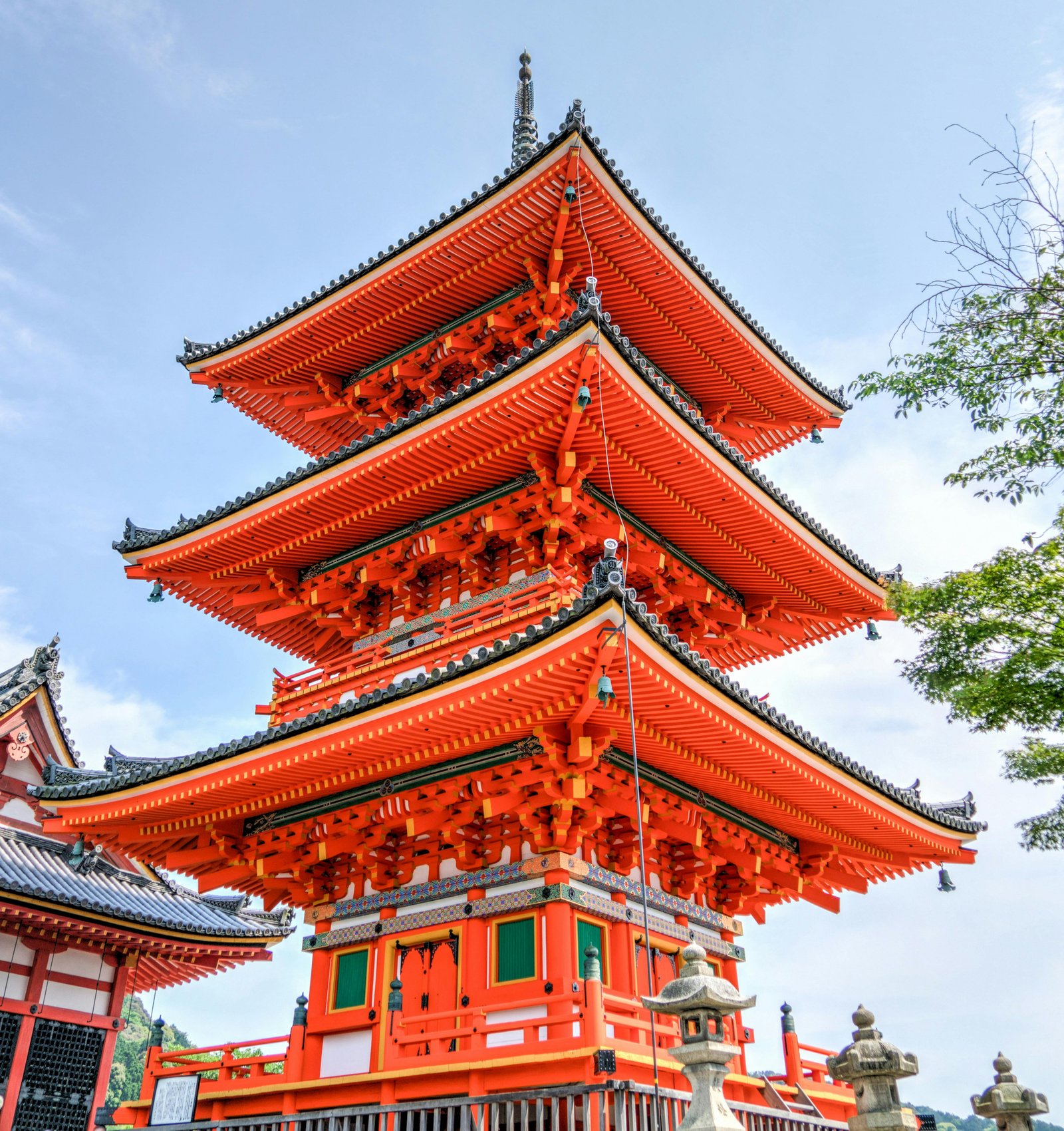
Japan is filled with iconic attractions that reflect both tradition and modernity. Tokyo, the bustling capital, offers sights like the Tokyo Skytree, Shibuya Crossing, and themed cafes. Kyoto is the cultural heart of Japan, home to golden temples, geisha districts, and bamboo groves. Osaka is known for its street food and the historic Osaka Castle, while Hiroshima is a must-visit for its Peace Memorial Park. Nature lovers will find paradise at Mount Fuji, the Japanese Alps, and the hot springs of Hakone.
Best Hotels to Stay in Japan
Japan offers a wide variety of accommodation options. Luxury seekers can stay at world-renowned hotels such as The Ritz-Carlton Tokyo, Aman Kyoto, and Park Hyatt Tokyo. Mid-range travelers can choose business hotels like Hotel Mystays Premier, Dormy Inn, or APA Hotels, which are comfortable and affordable. Budget travelers can experience Japan’s unique capsule hotels and hostels, which are clean, safe, and fun.
Things to Do in Japan
Japan offers endless experiences. You can ride the Shinkansen bullet train, explore anime and gaming culture in Akihabara, or enjoy traditional tea ceremonies. Shopping in Tokyo’s Ginza district and trying authentic sushi at Tsukiji Outer Market are must-dos. Visiting temples, shrines, and Japanese gardens adds a spiritual touch, while theme parks like Universal Studios Osaka and Tokyo Disneyland provide family fun.
Adventure Activities in Japan
For adventure seekers, Japan is a paradise. Skiing and snowboarding in Hokkaido are world-famous, while hiking Mount Fuji is a bucket-list experience. Scuba diving in Okinawa, white-water rafting in Minakami, and cycling around Shimanami Kaido are other exciting options.
Nightlife in Japan
Japan’s nightlife is as vibrant as its cities. In Tokyo, districts like Shinjuku, Roppongi, and Shibuya are filled with bars, karaoke lounges, nightclubs, and late-night eateries. Osaka is known for its street food and entertainment areas like Dotonbori, while Kyoto offers a more laid-back experience with sake bars and tea houses.
Famous Food in Japan
Japan is as much a food destination as it is a cultural and adventure hub. The country is world-renowned for its fresh ingredients, unique flavors, and traditional dining culture. Here are some must-try dishes when visiting Japan:
- Sushi & Sashimi – The most famous Japanese dish, made with fresh raw fish, rice, and seaweed. Tokyo’s Tsukiji and Toyosu markets are the best places to try authentic sushi.
- Ramen – A flavorful noodle soup available in different regional varieties like miso ramen from Hokkaido or tonkotsu ramen from Fukuoka.
- Tempura – Lightly battered and deep-fried seafood and vegetables, crispy yet delicate.
- Okonomiyaki – A savory pancake filled with meat, seafood, and vegetables, popular in Osaka and Hiroshima.
- Takoyaki – Delicious octopus-filled dough balls, another Osaka street food specialty.
- Udon & Soba Noodles – Thick wheat noodles (udon) and buckwheat noodles (soba), served hot or cold depending on the season.
- Kaiseki – A traditional multi-course Japanese dinner, focusing on seasonal ingredients and artistic presentation.
- Matcha Desserts – Green tea-flavored sweets like cakes, ice creams, and mochi that are a must-try in Kyoto.
- Street Food in Japan – From yakitori (grilled chicken skewers) to taiyaki (fish-shaped sweet cakes), Japan’s street food culture is both affordable and delicious.
Food in Japan is not only about taste—it is also about presentation, tradition, and seasonality. Eating local specialties in each region adds another layer of excitement to your journey.
Famous Festivals in Japan
Festivals in Japan are colorful, cultural, and deeply traditional. The Cherry Blossom Festival (Hanami) in spring is world-famous. Gion Matsuri in Kyoto, held in July, is one of the country’s biggest festivals. In winter, the Sapporo Snow Festival attracts visitors with its massive ice and snow sculptures. Other notable events include the Tanabata Festival, Nebuta Matsuri, and Sumo tournaments, which showcase Japan’s unique heritage.
Culture and Tradition in Japan
When you travel through Japan, you step into a world where tradition lives side by side with modern life. The country keeps its cultural roots strong while embracing technology and innovation. You can walk through neon-lit Tokyo in the evening and find yourself in a peaceful Shinto shrine the next morning.
Japanese traditions are woven into everyday life. People still practice the art of the tea ceremony, not just as a ritual but as a way to slow down and appreciate the present moment. Seasonal customs, like Hanami (cherry blossom viewing) in spring or Obon in summer, invite families and communities to gather, celebrate, and honor their ancestors.
The respect and discipline of Japanese society are easy to notice. Locals bow when greeting, remove shoes before entering homes or temples, and always show courtesy to elders. This sense of harmony and respect makes the culture feel both welcoming and deeply spiritual.
At the same time, Japan shines with creative energy. Traditional arts like kabuki theater, noh performances, and geisha culture in Kyoto are alive and accessible to visitors. Martial arts such as karate, kendo, and judo reflect discipline and strength, while modern Japan pulses with anime, manga, and futuristic pop culture.
Experiencing Japan’s culture isn’t passive—you join it. You sit at low tables in tatami rooms, taste food that celebrates the season, wear a yukata during festivals, and watch fireworks light up the summer sky. Every moment invites you to connect with centuries-old traditions that still shape daily life today.
Conclusion
Japan is a destination that combines the ancient and the futuristic, offering something for every traveler. From historic temples and cultural festivals to high-tech cities and thrilling adventures, Japan guarantees unforgettable memories. With its warm hospitality, efficient public transport, and endless attractions, Japan should be at the top of every traveler’s bucket list. Whether you’re seeking tradition, adventure, food, or modern excitement, Japan is truly a land of endless discovery.