Explore Croatia: From Ancient Streets to Crystal-Clear Shores and Vibrant Culture
Why Visit Croatia
Croatia is famous for:
- Historic Cities: Dubrovnik, Split, Zadar, and Šibenik with UNESCO World Heritage Sites.
- Pristine Beaches & Islands: Over 1,000 islands and crystal-clear waters along the Adriatic.
- Adventure Tourism: Sailing, hiking, kayaking, and scuba diving.
- Rich Culture & Festivals: Music, folklore, and culinary events throughout the year.
- National Parks: Plitvice Lakes, Krka, and Paklenica for nature lovers.
Visa and Travel Expenses
- Visa: Croatia is part of the EU; EU/EEA citizens can travel visa-free. Other nationalities may need a Schengen visa or a Croatian entry visa.
- Budget Travel: €50–100/day (hostels, public transport, street food).
- Mid-Range Travel: €120–200/day (3-star hotels, guided tours, restaurants).
- Luxury Travel: €250+/day (5-star resorts, private tours, fine dining).
Best Time to Visit Croatia
- Summer (June–August): Ideal for beaches, sailing, and festivals.
- Autumn (September–October): Pleasant temperatures, fewer crowds, wine harvest season.
- Winter (December–February): Off-season for peaceful sightseeing and local cultural experiences.
- Spring (April–May): Blooming landscapes, mild weather, and ideal for outdoor activities.
Top Tourist Destinations in Croatia
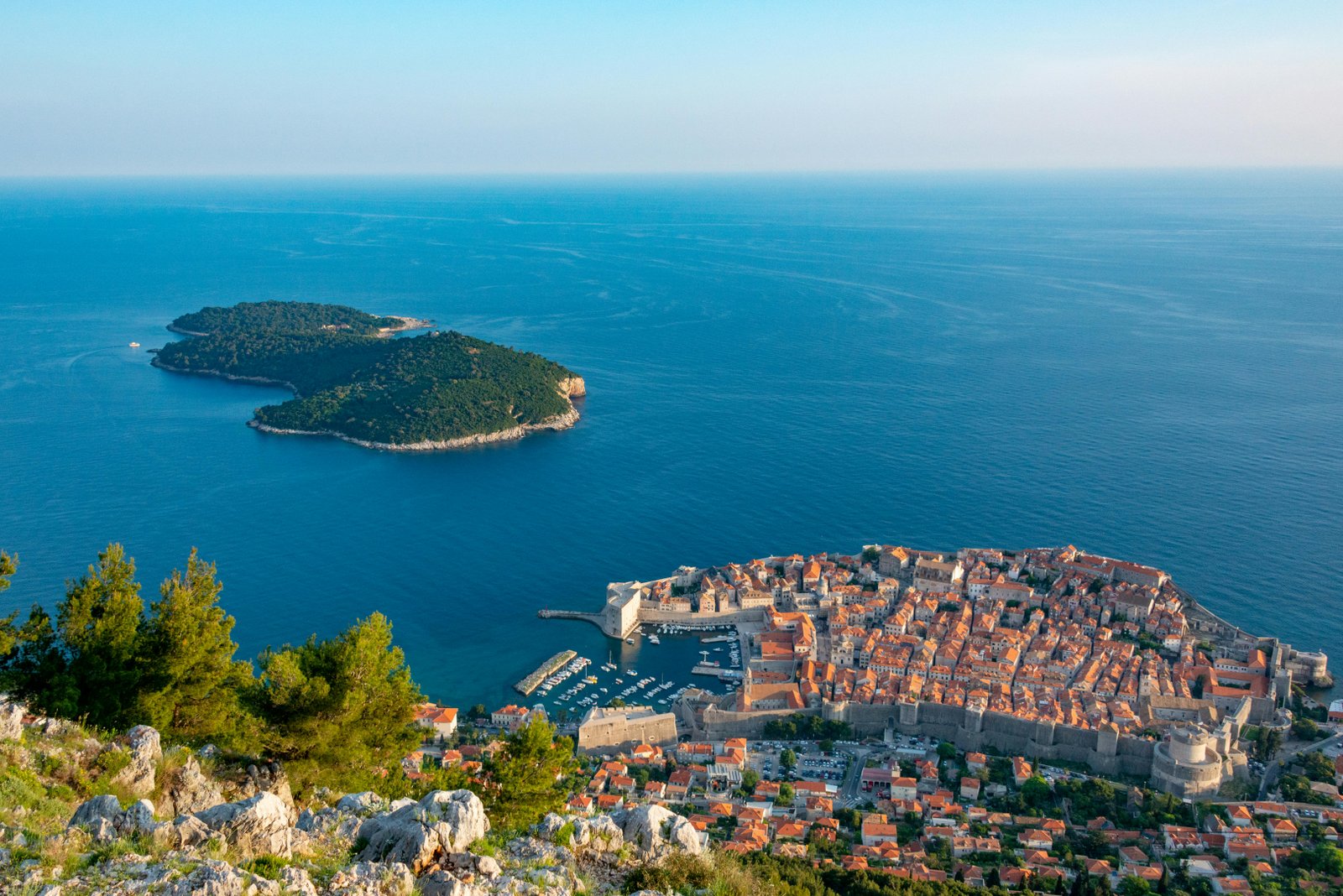
- Dubrovnik – The Pearl of the Adriatic
- Highlights: City walls, Old Town, Stradun street, Lovrijenac Fortress.
- Why Famous: UNESCO World Heritage Site, Game of Thrones filming location, historic charm.
- Split – Roman Heritage & Vibrant Streets
- Highlights: Diocletian’s Palace, Riva Promenade, Marjan Hill.
- Why Famous: Blend of Roman history with lively city life and beaches.
- Plitvice Lakes National Park
- Highlights: 16 terraced lakes connected by waterfalls, walking trails, and wildlife.
- Why Famous: UNESCO World Heritage Site and a natural wonder.
- Hvar – Island of Sun & Nightlife
- Highlights: Hvar Town, Pakleni Islands, lavender fields.
- Why Famous: Mediterranean beaches, luxury resorts, vibrant nightlife.
- Zadar – Sun Salutation & Roman Ruins
- Highlights: Sea Organ, Roman Forum, sunsets from the waterfront.
- Why Famous: Unique musical installation and historical architecture.
- Šibenik – Cultural & Historic Hub
- Highlights: St. James Cathedral, medieval fortresses.
- Why Famous: UNESCO site and medieval charm.
- Korčula – Marco Polo’s Birthplace
- Highlights: Ancient town, vineyards, pristine beaches.
- Why Famous: Rich history, wine tours, and cultural traditions.
- Krka National Park
- Highlights: Waterfalls, walking trails, and boat tours.
- Why Famous: Scenic waterfalls and swimming opportunities in select areas.
- Rovinj – Romantic Coastal Town
- Highlights: Old Town, St. Euphemia Church, harbor views.
- Why Famous: Picturesque streets, art galleries, and Adriatic charm.
- Pag – Party & Cheese Island
- Highlights: Zrće Beach (party hotspot), Pag cheese.
- Why Famous: Music festivals and unique culinary experiences.
Hotels and Accommodation
- Luxury: Hotel Excelsior Dubrovnik, Le Meridien Hvar, Sun Gardens Dubrovnik.
- Mid-Range: Valamar Hotels, Boutique stays in Split and Zadar.
- Budget: Hostels, apartments, and family-run guesthouses on islands.
Famous Food in Croatia
- Peka: Traditional meat or seafood dish cooked under a bell.
- Seafood & Olive Oil: Fresh Adriatic seafood and local oils.
- Dalmatian Prosciutto (Pršut): Cured ham from Dalmatia.
- Cheeses: Pag cheese, Istrian truffles.
- Desserts: Fritule (mini donuts), Rožata (custard pudding).
Nightlife and Shopping
- Nightlife: Hvar and Split for beach parties, Dubrovnik for bars and evening cruises.
- Shopping: Souvenir shops in Old Towns, local markets for olive oils, wines, and handmade crafts.
Adventure and Tourist Sports
- Water Activities: Sailing, kayaking, scuba diving, and snorkeling in the Adriatic.
- Hiking: Trails in Paklenica National Park and Biokovo Nature Park.
- Cycling: Explore Istrian Peninsula and islands like Brač and Korčula.
- Paragliding & Ziplining: Adventure sports in coastal and inland regions.
Culture, Traditions, and Festivals
- Dubrovnik Summer Festival: Music, theatre, and cultural performances.
- Ultra Europe (Split): Electronic dance music festival.
- Sinjska Alka: Medieval knight tournament in Sinj.
- Rovinj Summer Festival: Local music and arts events.
- Wine & Food Festivals: Celebrating Croatian culinary heritage across regions.
Nature, Environment, and Beaches
Croatia is known for crystal-clear Adriatic waters, over 1,000 islands, and lush national parks. Popular beaches include Zlatni Rat (Brač), Punta Rata (Brela), and Banje Beach (Dubrovnik). Wildlife and natural reserves ensure eco-tourism and sustainable travel practices.
Growth of Tourism in Croatia
Croatia has emerged as one of Europe’s top travel destinations due to its combination of history, natural beauty, and Mediterranean charm. Tourism contributes significantly to the national economy, with over 20 million international visitors annually. Cruise tourism, island hopping, and cultural festivals have fueled steady growth, and marketing campaigns showcasing Croatia’s coast, islands, and historic towns have boosted its global popularity.
Conclusion
Croatia is a perfect blend of history, nature, and adventure. From medieval streets of Dubrovnik and Split to the serene waters of Plitvice Lakes and vibrant nightlife of Hvar, every corner offers unforgettable experiences. With its rich culinary scene, stunning landscapes, and welcoming locals, Croatia promises a travel experience that is memorable, diverse, and enchanting—truly a jewel of the Adriatic.