Greece: The City of History, Myth, and Timeless Beauty
Why Greece is Famous as a Tourist Destination
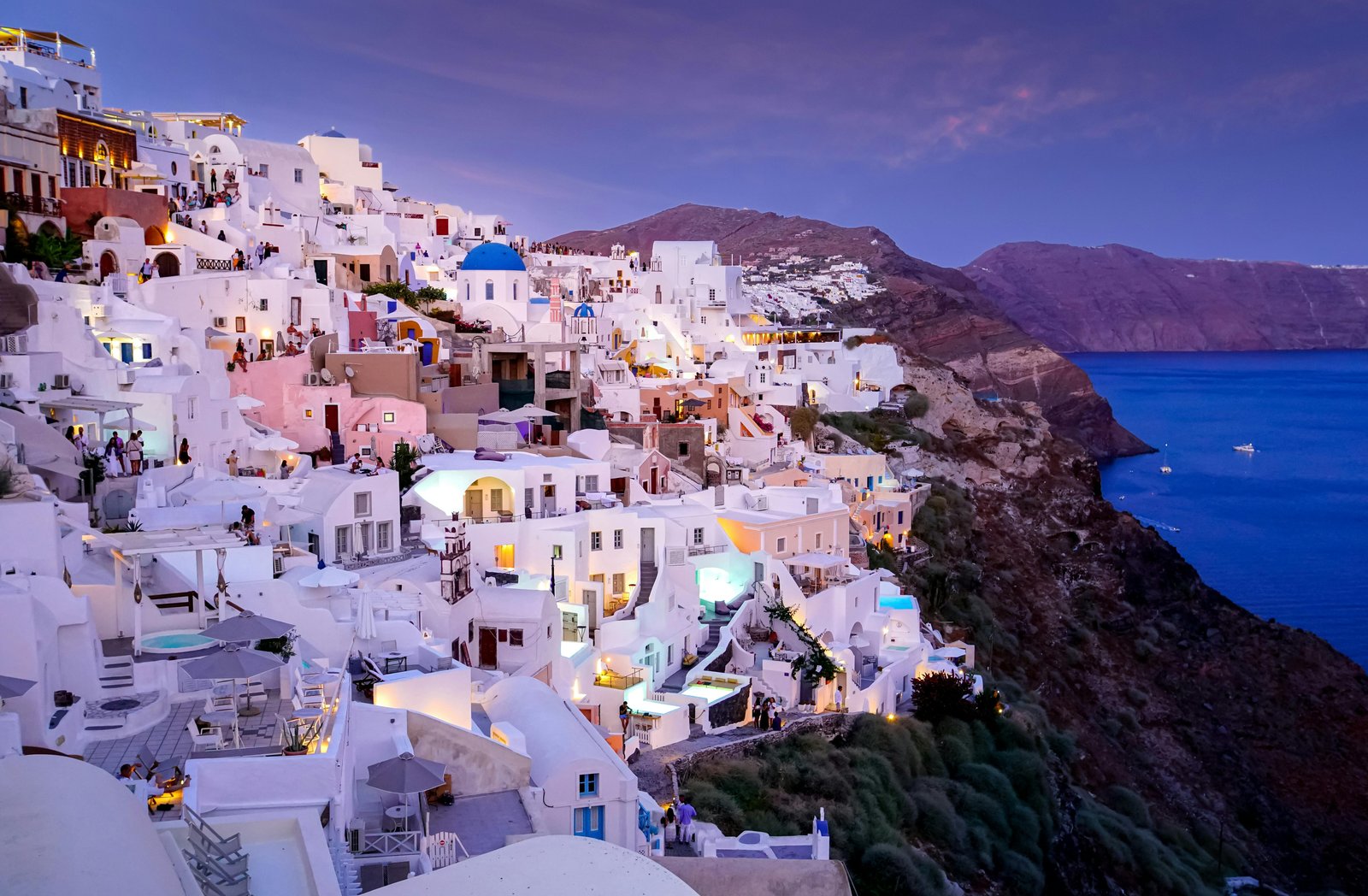
Greece is most famous for its ancient heritage, island beauty, and Mediterranean lifestyle. Visitors flock to see landmarks such as the Acropolis of Athens, the Temple of Apollo in Delphi, and the ruins of Olympia, the birthplace of the Olympic Games. Beyond history, Greece is celebrated for its islands, including Santorini with its iconic sunsets, Mykonos with its nightlife, and Crete with its beaches and mountain landscapes. Its cuisine, festivals, and traditions reflect a rich cultural legacy, while its modern tourism infrastructure makes it one of the most welcoming destinations in Europe.
Growth of Tourism in Greece
Tourism in Greece has grown significantly over the years, becoming a vital part of its economy. Known as one of the world’s top travel destinations, Greece welcomes more than 30 million visitors annually, a remarkable number for a country of its size. The growth is fueled by its diverse offerings—whether it’s luxury resorts, cultural festivals, historical tours, beach vacations, eco-tourism, or adventure sports. The Greek government’s promotion of sustainable tourism and expansion of hospitality services has further enhanced its reputation, making it a global leader in the travel industry.
Visa and Travel Expenses
Traveling to Greece is relatively simple for most international visitors. Citizens of the European Union do not require a visa, while travelers from other parts of the world may need a Schengen Visa, which costs approximately €80 (USD 85). Greece is affordable compared to many European countries, with daily budgets ranging from €40–70 for budget travelers, €100–200 for mid-range, and higher for luxury stays. Flights from Asia and the US vary by season but average around USD 600–900 for round trips. Accommodation, food, and public transport are available for all budgets, making Greece accessible to every type of traveler.
Best Time to Visit
The best time to visit Greece is during spring (April to June) and autumn (September to October) when the weather is pleasant, and crowds are smaller. Summer, from July to August, is the peak tourist season, especially on the islands, when beaches are lively, and festivals are in full swing. Winter months, particularly in December and January, are less crowded and ideal for those who want to explore Athens and mainland Greece without the summer rush, though island activities may be limited.
Top Travel Destinations and Attractions
Athens, the capital, is the gateway to Greek history with iconic landmarks such as the Acropolis, Parthenon, and Plaka district. Santorini is one of the most photographed islands in the world, famous for its caldera views, blue-domed churches, and romantic sunsets. Mykonos is the island of luxury and nightlife, offering vibrant beach clubs and stylish resorts. Crete, the largest island, is known for its diverse landscapes, ancient ruins like the Palace of Knossos, and stunning beaches. Rhodes combines medieval history with beach holidays, while Delphi and Olympia attract history enthusiasts eager to explore Greece’s spiritual and cultural roots.
Hotels and Accommodation
Greece offers an impressive variety of accommodation options to suit all travelers. Luxury seekers can choose from five-star resorts in Santorini, Mykonos, and Athens with infinity pools and sea views. Mid-range travelers will find boutique hotels, charming villas, and family-run guesthouses across the islands and mainland. Budget travelers can enjoy hostels, beachside bungalows, and affordable apartments. The famous Cycladic-style hotels with whitewashed walls and blue details are among the most iconic stays in the world, providing both beauty and comfort.
Famous Food in Greece
Greek cuisine is world-renowned for its healthy, flavorful, and fresh Mediterranean style. Dishes such as Moussaka, Souvlaki, Gyros, and Greek Salad are staples loved by locals and tourists alike. Seafood plays a major role in coastal towns and islands, with freshly grilled fish, octopus, and calamari served daily. Other must-try foods include Spanakopita (spinach pie), Dolmades (stuffed grape leaves), Tzatziki, and Baklava, a sweet pastry layered with honey and nuts. Meals are often enjoyed with local wines or Ouzo, Greece’s signature anise-flavored spirit. Dining in Greece is not just about food but about the experience—sharing meals, celebrating traditions, and enjoying life in true Mediterranean fashion.
Nightlife and Shopping
Greece offers diverse nightlife experiences, from beach clubs and luxury lounges in Mykonos to cozy tavernas and rooftop bars in Athens. Santorini provides romantic evenings with caldera views, while Crete offers lively local music and dance. Shopping in Greece ranges from high-end fashion in Athens to local handicrafts, jewelry, and souvenirs in island markets. Unique buys include handmade sandals, olive oil products, ceramics, and traditional Greek textiles.
Adventure and Tourist Sports
Greece is not only about history and beaches; it is also an adventure hub. Tourists can enjoy sailing and yachting around the islands, hiking Mount Olympus, exploring Samaria Gorge in Crete, windsurfing in Paros, scuba diving in Zakynthos, and rock climbing in Meteora. The combination of sea, mountains, and islands makes Greece one of the most versatile destinations for adventure travelers.
Culture, Traditions, and Festivals
Greek culture is deeply rooted in history, mythology, and community traditions. The people are known for their warm hospitality, strong family values, and celebrations that bring communities together. Festivals play a big role, with events like Greek Independence Day, Easter Celebrations, Athens and Epidaurus Festival, and Carnival (Apokries). Music, dance, and theater are integral to Greek life, with traditional performances still enjoyed today. Visitors are often welcomed into local festivities, making cultural immersion a highlight of traveling in Greece.
Nature, Environment, and Beaches
Greece is a paradise for nature lovers, offering a mix of mountains, forests, caves, and over 6,000 islands and islets. The beaches are world-class, with famous spots such as Navagio Beach in Zakynthos, Elafonissi in Crete, Myrtos in Kefalonia, and Red Beach in Santorini. The Mediterranean climate ensures clear blue skies and warm waters for most of the year. Greece also places importance on eco-tourism, with national parks, marine reserves, and conservation areas protecting its unique biodiversity.
Conclusion
Greece is more than just a holiday destination—it is a journey into the heart of history, culture, and natural beauty. With its ancient ruins, charming islands, vibrant traditions, and endless adventures, Greece stands out as one of the most famous and beloved tourist destinations in the world. Affordable, diverse, and welcoming, it continues to attract millions of visitors every year and shows no signs of slowing down. Whether you are seeking history, relaxation, food, or adventure, Greece offers an unforgettable travel experience that will stay with you forever.