First Time in Malaysia? Your Complete Travel Companion
Why Visit Malaysia?
Malaysia is most famous for its multicultural identity, where Malay, Chinese, Indian, and indigenous communities coexist, creating a vibrant cultural tapestry reflected in food, festivals, architecture, and daily life. This unique diversity allows travelers to immerse themselves in multiple cultures at once. Beyond culture, Malaysia is renowned for its natural wonders, from lush rainforests and majestic mountains to coral reefs and tropical islands. The country also stands out as an affordable destination compared to its neighbors, offering world-class attractions at budget-friendly prices. Whether you’re seeking thrilling adventures, spiritual exploration, culinary delights, or relaxation by the sea, Malaysia has something unforgettable to offer.
Visa and Travel Expenses
Malaysia is easily accessible and traveler-friendly, with visa policies that simplify entry for tourists. Many nationalities enjoy visa-free entry for stays ranging from 15 to 90 days, while others can apply for a convenient eVisa, which costs between USD 20 to 45. Travel expenses are relatively affordable; daily budgets can range from USD 25 to 40 for backpackers, USD 60 to 120 for mid-range travelers, and upwards of USD 200 for those seeking luxury experiences. Flights from Asia are reasonably priced, while long-haul travelers from Europe or the United States can find round-trip deals ranging from USD 500 to 900. With affordable accommodation, cheap street food, and low-cost public transport, Malaysia provides incredible value without compromising on quality.
Best Time to Visit
Malaysia has a tropical climate, meaning warm weather year-round with seasonal rainfall. The best time to visit largely depends on which coast or region you’re exploring. The west coast, including popular destinations like Langkawi and Penang, is best visited between November and April when the weather is dry and sunny, while the east coast islands such as Redang, Tioman, and Perhentian are ideal from March to September when seas are calm and skies are clear. Cities like Kuala Lumpur are suitable year-round, though visitors should be prepared for occasional showers. For those looking to attend festivals, traveling during major celebrations like Chinese New Year or Hari Raya Aidilfitri can add a unique cultural dimension to the trip.
Top Travel Destinations and Attractions
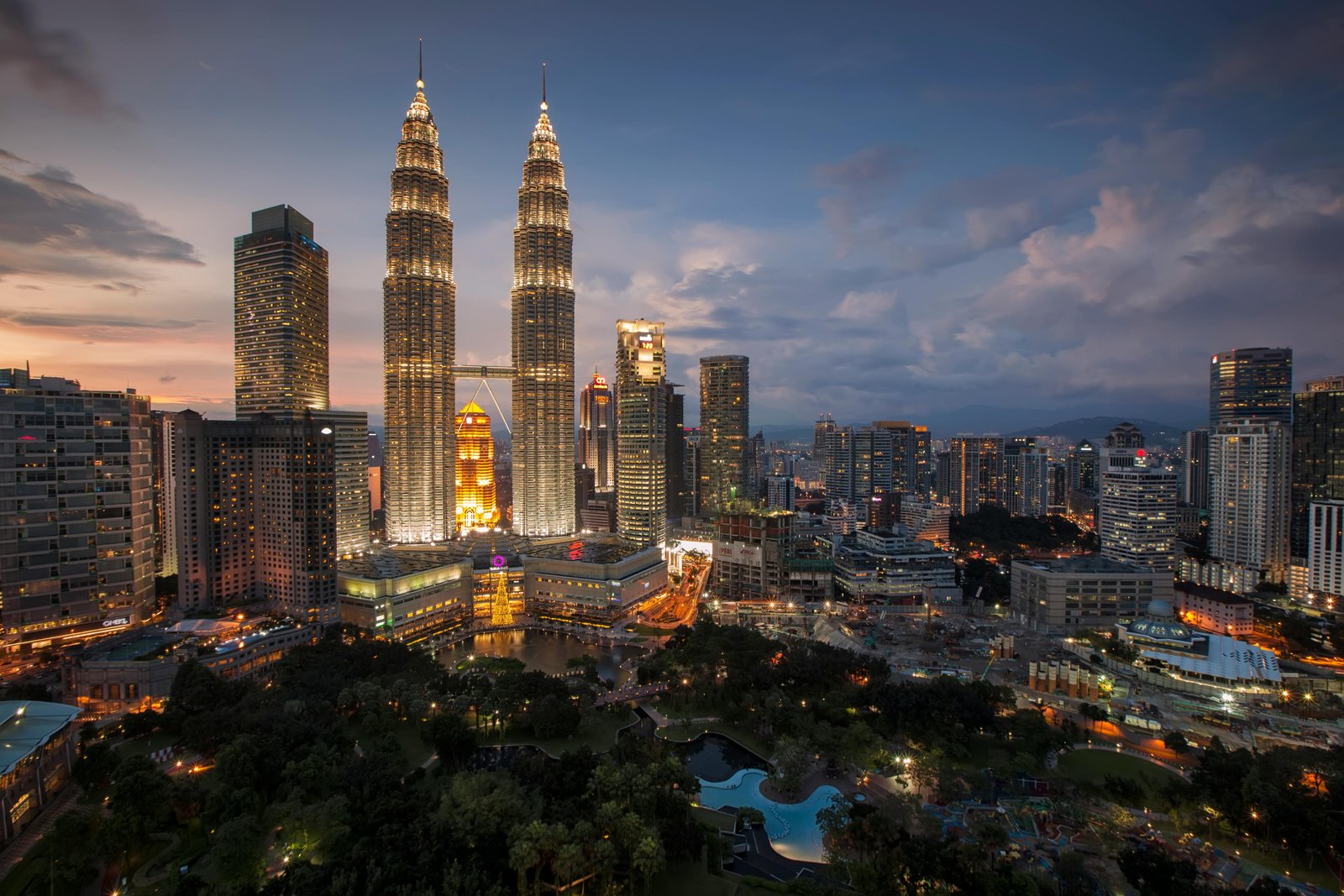
Kuala Lumpur, the capital, is the heartbeat of Malaysia, famous for the towering Petronas Twin Towers, the historic Batu Caves, and shopping havens like Bukit Bintang and Suria KLCC. Penang, often called the “Pearl of the Orient,” is known for George Town’s UNESCO World Heritage charm, colorful street art, and world-class street food scene. Langkawi is a paradise of sandy beaches, luxury resorts, and natural wonders like waterfalls, cable cars, and mangrove tours. Malacca tells the story of Malaysia’s colonial past with its Dutch squares, Portuguese fortresses, and lively Jonker Street market. The Cameron Highlands offer a refreshing escape into cool tea plantations, strawberry farms, and scenic hiking trails. For wildlife lovers, Borneo’s Sabah and Sarawak are treasures, home to Mount Kinabalu, ancient caves, and rare species like orangutans and pygmy elephants.
Hotels and Accommodation
Malaysia offers accommodation for every type of traveler. Kuala Lumpur and Penang are dotted with luxury hotels like the Mandarin Oriental, Shangri-La, and The Datai Langkawi, which combine modern comforts with Malaysian hospitality. Mid-range travelers can enjoy stylish boutique hotels, serviced apartments, and affordable resorts in prime locations, while backpackers will find plenty of guesthouses, capsule hotels, and hostels with excellent facilities. Many coastal regions also feature beachfront chalets and eco-friendly lodges for those who wish to stay close to nature.
Food in Malaysia
Malaysia is a culinary wonderland, famous worldwide for its diverse food culture. As a blend of Malay, Chinese, and Indian influences, the country’s cuisine is rich, flavorful, and exciting. Nasi Lemak, Malaysia’s national dish, combines fragrant coconut rice with sambal, fried anchovies, egg, and peanuts. Char Kway Teow, a stir-fried noodle dish with prawns and soy sauce, is a must-try in Penang, while Satay—succulent skewers served with peanut sauce—captures the essence of Malay cuisine. Indian-inspired delights like Roti Canai and Teh Tarik are favorites for breakfast, while Laksa, a spicy noodle soup, warms the heart. Street food markets, especially in Penang and Kuala Lumpur, are where travelers can truly experience the country’s food culture at its best.
Nightlife and Shopping
Malaysia’s nightlife scene is vibrant and varied. Kuala Lumpur offers everything from rooftop bars overlooking the Petronas Towers to buzzing nightclubs and live music lounges. Penang is famous for its chilled-out bars and night markets, while Langkawi offers beach parties and sunset lounges. Shopping is another highlight of Malaysia, with world-class malls like Pavilion KL, Suria KLCC, and Berjaya Times Square offering luxury brands, while local markets in Chinatown or Jonker Street provide souvenirs, handicrafts, and street fashion at bargain prices.
Adventure and Outdoor Activities
Adventure seekers will find Malaysia an absolute playground. Scuba diving and snorkeling in Sipadan, Tioman, and Perhentian Islands reveal some of the world’s best coral reefs and marine life. Hiking enthusiasts can conquer Mount Kinabalu or explore jungle trails in Taman Negara, one of the world’s oldest rainforests. Thrill-seekers can enjoy white-water rafting, caving, zip-lining, and paragliding in destinations across the country. Water sports like jet skiing, kayaking, and parasailing are popular on Malaysia’s many islands. The combination of tropical landscapes, wildlife encounters, and adventurous sports makes Malaysia a top choice for adrenaline-filled holidays.
Culture, Traditions, and Festivals
Malaysia’s cultural diversity is one of its greatest strengths. Malay, Chinese, Indian, and indigenous groups each bring their traditions, festivals, and cuisines, making Malaysia a country that celebrates life in vibrant colors. Visitors can witness grand celebrations like Hari Raya Aidilfitri, Chinese New Year, Deepavali, Thaipusam, and the Mooncake Festival. In Sabah and Sarawak, harvest festivals such as Kaamatan and Gawai showcase local indigenous cultures. Traditional attire like Baju Melayu and Baju Kurung highlight the importance of heritage, while respect for elders, family unity, and religious tolerance remain central to society. This multicultural identity makes Malaysia a fascinating country to explore beyond its attractions.
Nature, Beaches, and Environment
Malaysia’s natural environment is equally enchanting, with lush rainforests, highlands, caves, and pristine beaches. The islands of Langkawi, Redang, Tioman, and Perhentian are famous for white sand beaches and turquoise waters, while coastal mangroves and marine parks provide eco-tourism experiences. The Cameron Highlands and Genting Highlands offer cooler retreats surrounded by greenery, while Borneo’s jungles are home to some of the planet’s most biodiverse ecosystems. Conservation efforts to protect endangered species such as tigers, elephants, and sea turtles add to Malaysia’s reputation as a responsible eco-tourism destination.
Malaysia is Famous For
- Petronas Twin Towers – The iconic skyscrapers in Kuala Lumpur, once the tallest buildings in the world.
- Tropical Islands & Beaches – Langkawi, Redang, Tioman, and the Perhentian Islands are world-renowned for crystal-clear waters.
- Street Food Culture – Especially in Penang and Kuala Lumpur, with must-try dishes like Nasi Lemak, Char Kway Teow, Laksa, Satay, and Roti Canai.
- Rainforests & Wildlife – Home to Taman Negara (one of the world’s oldest rainforests) and Borneo’s rare orangutans, proboscis monkeys, and pygmy elephants.
- Festivals & Multicultural Traditions – Chinese New Year, Hari Raya Aidilfitri, Thaipusam, and Deepavali highlight Malaysia’s cultural diversity.
- Shopping – Luxury malls in Kuala Lumpur, local handicrafts in Penang and Malacca, and duty-free shopping in Langkawi.
- Adventure Tourism – Jungle trekking in Taman Negara, scuba diving at Sipadan, hiking Mount Kinabalu, and water sports across the islands.
- Tea Plantations & Highlands – Cameron Highlands and Genting Highlands offer cooler escapes, tea estates, strawberry farms, and scenic trails.
- Heritage & Architecture – George Town in Penang and Malacca are UNESCO World Heritage Sites with colonial charm and vibrant street art.
- Multicultural Society – A harmonious blend of Malay, Chinese, Indian, and indigenous cultures reflected in daily life, traditions, and cuisine.
Conclusion
Malaysia is more than just a destination; it’s a complete travel experience filled with culture, adventure, nature, and modern comforts. From exploring Kuala Lumpur’s futuristic skyline to relaxing on Langkawi’s beaches, from savoring Penang’s street food to trekking through Borneo’s rainforests, Malaysia offers unforgettable memories for every traveler. Affordable, accessible, and endlessly diverse, it is a country that welcomes visitors with warmth and excitement. For first-time travelers or seasoned globetrotters, Malaysia promises an adventure that will stay in your heart long after you leave.